
Restaurants have always served as distinctive places where the art of craft, the precision of timing, and the warmth of genuine human connection naturally come together in meaningful ways. Yet the tools that operate behind the scenes, quietly shaping how kitchens function and how service is delivered to guests, have changed in dramatic and often surprising ways over the course of the past decade, altering expectations across the entire industry. From tablets replacing order pads to algorithms forecasting ingredient needs, digital systems in food service now go well beyond mere convenience. Futuristic tools are now daily reality for thousands worldwide. This shift extends well beyond fine dining establishments and large restaurant chains. Small eateries and food trucks now use reshaping tools. This article examines specific technologies reshaping modern gastronomy and explains why operators who ignore these changes risk falling behind.
In This Article:
How Technology Is Reshaping the Restaurant Experience from Kitchen to Table
Connected Kitchens and Real-Time Communication
One of the most impactful changes involves kitchen display systems (KDS) that replace printed tickets. These screens receive orders instantly, organize them by preparation time, and color-code items based on urgency. The result is fewer miscommunications between front-of-house staff and the kitchen brigade. Cooks see exactly what needs to go out, in what sequence, and for which table. Several mid-range restaurants in cities like Chicago and Berlin have reported a 15 to 20 percent reduction in order errors after switching to KDS platforms. Beyond accuracy, these systems also collect data on preparation speed, allowing managers to identify bottlenecks during peak hours. For operators who want to understand how technology strengthens daily restaurant operations and customer confidence, this kind of visibility into kitchen workflows represents a strong starting point.
Tableside Ordering and Contactless Payments
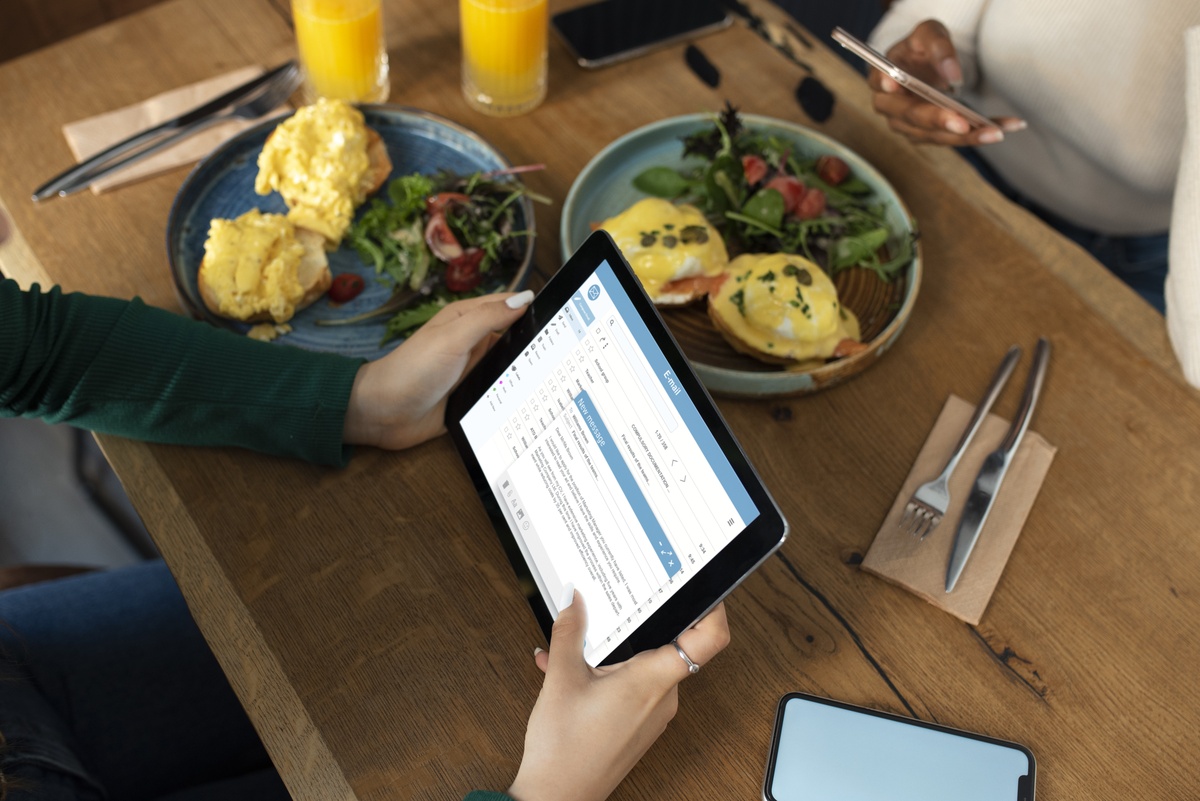
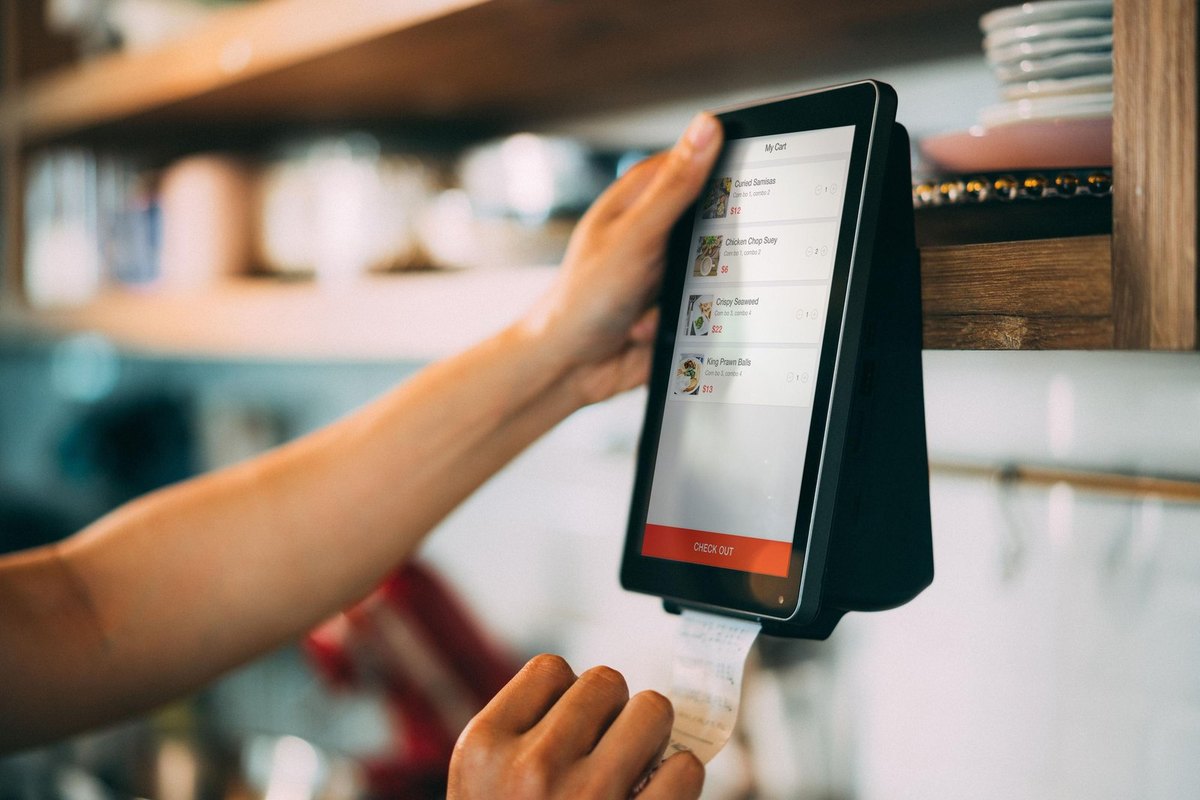
Technology for guests has also advanced quickly in recent years. QR-code menus, which were originally introduced as a temporary workaround during the pandemic, have since matured into full ordering platforms that allow guests to browse, select, and submit their choices directly. Diners scan a code, browse the menu on their phone, order, and pay without needing a server. This frees staff to focus on hospitality rather than logistics, without replacing the server’s role. Contactless payment terminals, meanwhile, speed up table turnover and reduce cash-handling mistakes. A 2025 National Restaurant Association survey revealed that nearly 68 percent of U.S. casual dining guests now prefer contactless payments. The pattern is remarkably similar across much of Europe, where the adoption of both card-based payments and mobile wallet solutions, driven by consumer demand for speed and convenience at the point of sale, continues to climb steadily and shows no signs of slowing down in the near future.
Digital Ordering Systems and Smart Inventory Management in Modern Restaurants
Automated Stock Tracking and Waste Reduction
Managing inventory has always been one of the most tedious parts of running a restaurant. Counting boxes, estimating usage, and reordering manually leaves room for costly mistakes. Modern inventory platforms integrate directly with point-of-sale systems, automatically deducting sold items from stock counts. Some tools go a step further by analyzing sales patterns and seasonal trends to generate purchase recommendations. A pizza restaurant in Portland, for example, used predictive ordering software to cut food waste by 22 percent over six months. That kind of reduction has a direct effect on profit margins and environmental impact alike. Today, exploring AI-powered restaurant tools that reshape sales and operations is no longer optional for competitive establishments – it is becoming a baseline expectation.
Unified Platforms for Online and In-House Orders
The rise of delivery apps created a new problem: managing multiple incoming order streams. A restaurant might receive orders from its own website, two third-party delivery platforms, and walk-in guests at the same time. Without a unified system, tickets pile up, mistakes multiply, and kitchen staff become overwhelmed. Integrated ordering platforms address this issue by directing all orders into one unified dashboard. Staff see all requests in one place, regardless of origin. This approach also improves reporting, letting operators compare revenue across channels and adjust marketing budgets accordingly. These unified systems often uncover surprising insights—like which menu items sell better on delivery compared to dine-in.
Why a Strong Online Presence Starts with the Right Domain for Your Restaurant
A restaurant’s digital identity matters almost as much as its physical location. Potential guests search online before deciding where to eat, and a professional website with a clear domain name builds immediate credibility. When comparing hosting and domain providers, names like IONOS occasionally surface alongside other well-known options in the market. Regardless of the provider chosen, securing a memorable web address early is a practical step. For those launching a new concept or rebranding an existing venue, the opportunity to claim a free domain name bundled with a hosting plan can lower the barrier to getting online quickly. A dedicated website allows restaurants to control their narrative, publish their own menus, accept direct reservations, and reduce dependency on third-party platforms that charge commission fees. Establishments that rely solely on social media profiles miss out on search engine visibility and the trust that comes with a branded web address.
Four Essential Tech Upgrades Every Restaurant Should Consider in 2026
While not every restaurant requires every tool that is currently available on the market, there are a few well-chosen upgrades that consistently deliver measurable and worthwhile returns on the initial investment. The following list identifies four areas where investing in technology tends to deliver quick returns:
Kitchen display systems: Replacing paper tickets with digital screens reduces errors and speeds up ticket times. Most systems pay for themselves within three to six months through improved accuracy alone.
Integrated reservation and waitlist management: Unified booking, waitlist, and table assignment tools maximize seating without overbooking or empty tables.
Predictive inventory software: Platforms that analyze historical sales data and forecast ingredient needs cut both waste and emergency supply runs. Research into emerging food technology trends in the culinary field confirms that predictive analytics ranks among the most impactful tools for cost control.
Customer feedback automation: Automated post-visit surveys via email or text capture timely, actionable guest opinions.
Each of these upgrades addresses a specific pain point. The key is to prioritize improvements based on where a specific restaurant loses the most time or money.
Balancing Automation and Hospitality to Keep the Human Touch Alive
Technology performs at its best when it reduces friction without replacing human warmth. A guest who receives a perfectly timed dish because a KDS quietly coordinated every station in the kitchen is unlikely to spare a single thought for the screen working behind the wall. They simply enjoy a better meal. On the other hand, a restaurant replacing every human interaction with kiosks and robots risks feeling cold and impersonal. The most successful operators in 2026 use technology to handle repetitive, error-prone tasks while freeing their teams to do what machines cannot: read a room, recommend a wine with genuine enthusiasm, or remember a regular guest’s favorite table. Staff training is essential in this process. Servers who understand and trust new systems grow more confident rather than less relevant. A well-trained team that is properly supported by smart tools consistently outperforms either element when it operates in isolation, because the combination of human skill and technology produces results that neither can achieve alone.
The aim is not to create a completely automated dining room. It is a dining room where every technological tool serves to improve the genuine human moments. Restaurants that firmly hold onto this guiding principle while thoughtfully adopting the right technological tools will find themselves well positioned and thoroughly prepared for whatever the next wave of change ultimately brings.
Frequently Asked Questions
What cybersecurity steps should small restaurants take when using cloud-based systems?
Enforce unique passwords for every staff member with access to POS or ordering platforms, and enable two-factor authentication wherever possible. Schedule automatic software updates during closed hours to patch vulnerabilities, and work with vendors who comply with PCI DSS standards for payment data. Consider endpoint protection on tablets used for tableside ordering, as these devices often connect to guest Wi-Fi and face higher exposure risks.
How can small restaurants build an affordable website for their online ordering system?
Independent operators should start by securing a hosting plan that includes integrated ordering plugins and reservation widgets. IONOS offers a free domain name with many packages, letting you test brand variations before investing in premium alternatives. Focus on mobile responsiveness and fast load times, as most guests browse menus on phones while deciding where to eat.
How do restaurants calculate ROI when investing in digital ordering and kitchen systems?
Track order volume increases, average ticket size changes, and labor hours saved per shift after installation. Compare monthly credit card processing fees before and after adopting contactless payments, and measure reductions in food waste through inventory analytics. A realistic payback period for most mid-tier systems ranges from eight to fourteen months, depending on transaction volume and staff efficiency gains.
Which emerging technologies should independent restaurants watch in the next two years?
Voice-activated ordering at drive-throughs and robotic prep assistants for repetitive tasks like chopping or frying are gaining traction in test markets. AI-driven dynamic pricing, similar to airline models, may also appear in casual dining to optimize revenue during off-peak windows. Keep an eye on augmented reality menus that let guests preview dishes in 3D before ordering, especially in experiential dining concepts.
What are the most common mistakes restaurants make when implementing new kitchen technology?
Many operators fail to train staff thoroughly before launch, leading to frustration and workflow disruptions during busy shifts. Another pitfall is choosing platforms that do not integrate with existing POS or accounting software, creating duplicate data entry and reconciliation headaches. Start with a pilot period during slower hours, gather feedback from cooks and servers, and adjust settings before rolling out system-wide.