
Restaurants today operate in a dramatically different environment than they did just a decade ago. Online ordering, delivery apps, curbside pickup, and catering platforms have transformed the industry, making off-premise dining a major revenue stream.
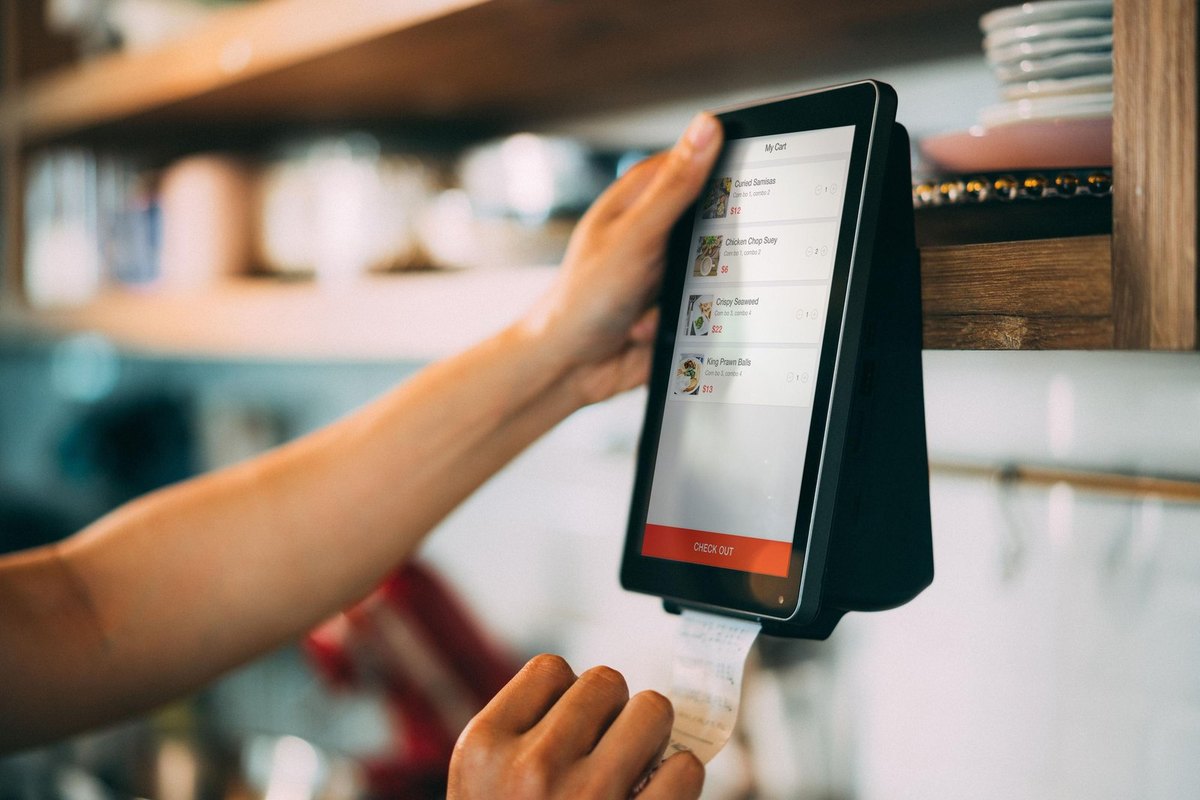
Digital ordering platforms now allow restaurants to centralize operations, manage delivery integrations, and streamline customer experiences across multiple channels. Platforms like Revolution Ordering help restaurants unify online, mobile, and marketplace orders while integrating with point-of-sale systems to improve efficiency and customer experience.
But as restaurants scale their digital operations, they also face new types of operational and financial risk.
From fluctuating demand to supply chain disruptions and staffing challenges, restaurants must adopt more strategic risk planning to maintain profitability and growth.
In This Article:
The Hidden Risks of Off-Premise Growth
Off-premise dining—including delivery, takeout, and catering—has become a core revenue channel for restaurants. However, expanding these services introduces complexities that traditional restaurant models were not built to handle.
Some of the most common risks include:
- Demand volatility during peak ordering hours
- Operational bottlenecks between online orders and kitchen workflows
- Margin pressure from third-party delivery marketplaces
- Inventory and supply chain uncertainty
- Customer experience risks from delayed or incorrect orders
Without structured planning, these challenges can quickly erode profits even as order volume increases.
This is why many restaurant operators increasingly turn to data-driven risk strategies to guide operational decisions.
Working with experienced business risk management consultants can help restaurants identify operational vulnerabilities, model different growth scenarios, and build strategies that support long-term scalability.
Data Is the New Competitive Advantage
Modern restaurant technology platforms generate enormous amounts of operational data. Ordering systems, POS integrations, customer profiles, and delivery platforms all provide insights into customer behavior and operational efficiency.
The key challenge for operators is transforming that data into actionable decisions.
Restaurants can leverage analytics to answer questions such as:
- When are delivery demand spikes most likely to occur?
- Which menu items drive the highest margins during off-premise ordering?
- How should staffing schedules adjust to digital ordering trends?
- What pricing strategies maintain profitability across delivery channels?
These decisions become even more powerful when supported by predictive models and statistical analysis.
This is where advanced techniques like actuarial analysis for risk-related decision-making can provide valuable insights.
Originally developed for insurance and finance, actuarial analysis helps businesses evaluate risk probabilities, forecast outcomes, and optimize decision-making under uncertainty.
Applying Risk Analytics to Restaurant Operations
Restaurants may not traditionally think of themselves as “risk-driven” businesses, but the reality is that many operational decisions involve risk management.
For example, restaurants can apply risk modeling to:
Demand Forecasting
Predictive analytics can help restaurants anticipate demand spikes for delivery and takeout orders, allowing kitchens to prepare staffing and inventory accordingly.
Pricing and Margin Optimization
By analyzing order patterns across different delivery channels, restaurants can better understand which channels deliver sustainable margins.
Supply Chain Stability
Restaurants that model supply volatility can better plan purchasing strategies and reduce the likelihood of shortages or overstock.
Multi-Location Operations
For restaurant chains, risk analytics helps determine how operational changes affect performance across different locations.
With centralized ordering systems and integrated analytics dashboards, restaurants gain visibility into these operational risks and opportunities.
Technology and Risk Management Go Hand in Hand
Technology platforms have become essential for managing modern restaurant operations. Unified ordering systems allow operators to handle online orders, marketplace integrations, and customer data from a single interface.
These systems help restaurants reduce operational friction while capturing valuable data that supports smarter decision-making.
However, technology alone is not enough. The most successful restaurant operators combine digital platforms with structured planning and risk analysis to guide growth.
By adopting a proactive risk management strategy, restaurants can:
- Protect profit margins
- Improve operational efficiency
- Deliver consistent customer experiences
- Scale off-premise dining successfully
Building a Smarter Restaurant Business
The restaurant industry is becoming increasingly data-driven. Digital ordering platforms, business intelligence dashboards, and customer analytics are reshaping how operators manage growth.
Restaurants that embrace both technology and risk management frameworks will be better positioned to navigate uncertainty and build sustainable operations.
As off-premise dining continues to evolve, combining modern ordering technology with data-driven risk strategies will be a defining factor in long-term success.