
Running a bar requires more than good drinks and friendly service. Owners need to understand what customers want, how staff perform, and which products move fastest. A modern POS system collects valuable information during every transaction that can transform how a bar operates.
Bar owners who use POS data can make smarter decisions about menus, pricing, staffing, and inventory management. This data reveals patterns in customer behavior, highlights operational problems, and shows opportunities for growth. Most bars collect this information automatically but fail to use it effectively.
The right approach to POS insights helps bar owners reduce waste, increase sales, and create better experiences for guests. From tracking popular drinks to adjusting promotions based on purchase history, data-driven decisions lead to real improvements. This article explores practical ways to use POS information to run a more successful bar.
In This Article:
Identify popular menu items and optimize offerings based on sales trends
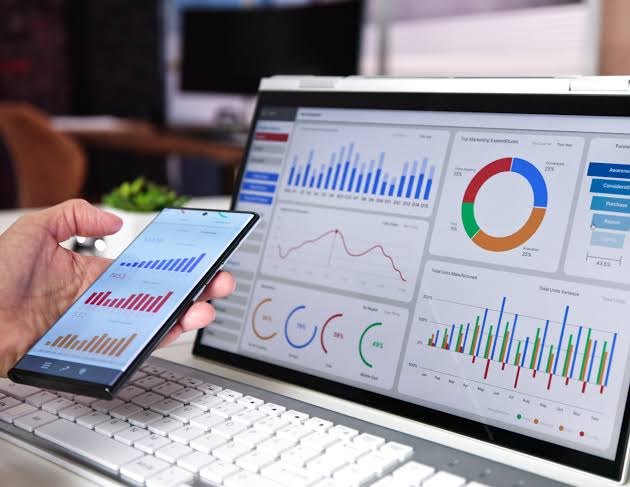
A POS system tracks every drink and food item sold at the bar. This data shows which products customers order most often and which ones sit on the menu without much interest. Bar owners can review sales reports to see patterns over time.
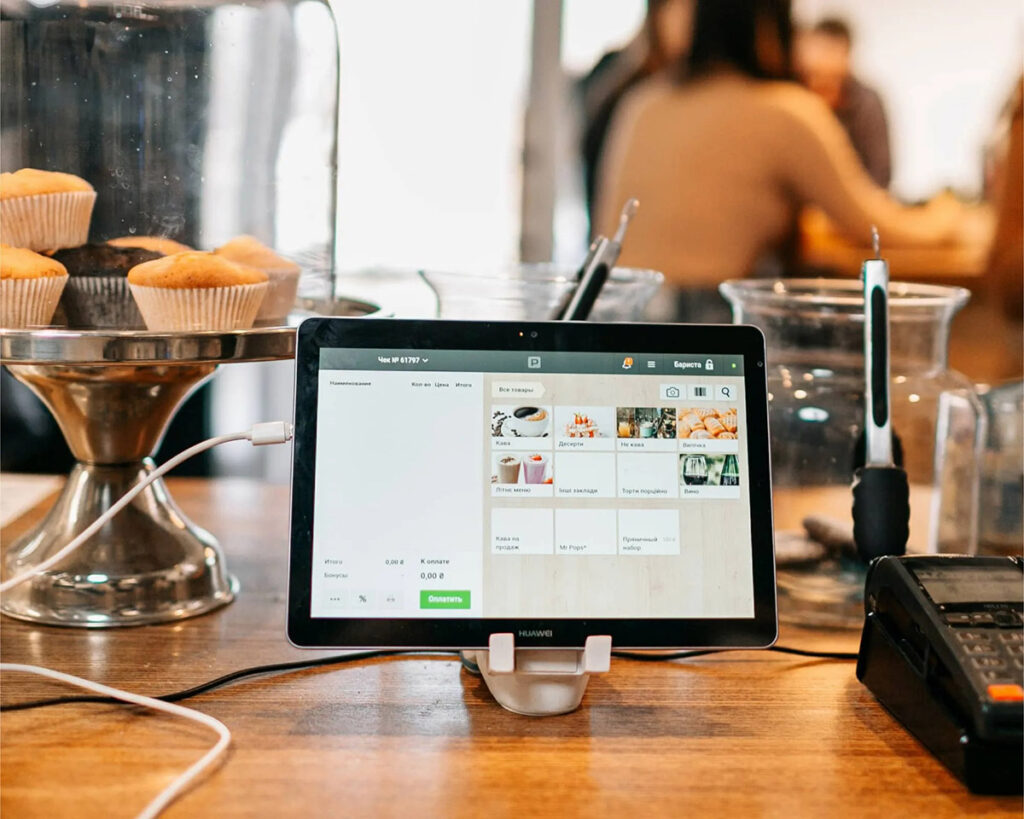
The sales data reveals peak times for specific drinks and seasonal preferences. For example, craft cocktails might sell better on weekends while beer sales stay steady throughout the week. A POS system for coffee shop environments or bars collects this information automatically without manual counting.
Bar managers can use this information to make smart decisions about their menu. They might remove low-performing items that tie up inventory and don’t generate profit. At the same time, they can promote popular drinks or create variations of bestsellers.
Product mix analysis helps identify which items contribute most to revenue. Bars can adjust pricing, change portion sizes, or feature high-margin drinks more prominently. This approach reduces waste and helps staff recommend drinks that customers already enjoy.
Improve staff performance by analyzing transaction speed and accuracy
POS systems track how fast bartenders complete each transaction. This data shows which staff members need extra support or training. Bar owners can review average transaction times to spot bottlenecks during busy shifts.
Accuracy matters just as much as speed. The system records mistakes like incorrect orders or payment errors. These insights help managers address specific problems with individual team members.
Transaction data reveals patterns in staff performance throughout different shifts. For example, a bartender might work quickly during quiet hours but struggle during peak times. Managers can use this information to adjust schedules or provide targeted coaching.
Real-time reports allow for quick feedback. Instead of waiting for monthly reviews, supervisors can address issues as they happen. This approach helps staff improve faster and reduces customer wait times.
Performance metrics also highlight top performers. Bar owners can identify which techniques work best and share them with the entire team. This creates a clear standard for service quality across all shifts.
Personalize promotions and discounts using customer purchase history
A POS system collects valuable data about what customers order at a bar. This information reveals their favorite drinks, preferred visit times, and how much they typically spend. Bar owners can use these insights to create special offers that match individual customer preferences.
For example, a customer who regularly orders craft beer might receive a discount on a new IPA the bar just added. Someone who visits every Friday evening could get a special promotion for that specific time slot. These targeted offers feel more relevant than generic discounts sent to everyone.
The data also helps bars reward loyal customers in meaningful ways. A patron who consistently chooses top-shelf whiskey might appreciate early access to limited releases or exclusive tasting events. This approach builds stronger connections because customers feel understood and valued.
Bars can set up automated promotions through their POS system that trigger based on purchase patterns. This saves time while still delivering personalized experiences that increase sales and customer satisfaction.
Track inventory in real time to prevent stockouts and overordering
Real-time inventory data helps bar owners know exactly what they have in stock at any moment. This information prevents two common problems: running out of popular items and ordering too much of products that don’t sell well.
Most bars see a return on their investment within 6 to 12 months after they start to use real-time tracking tools. The savings come from fewer stockouts, less excess inventory, and better cash flow.
A POS system with real-time tracking updates stock levels automatically after each sale. Bartenders and managers can check inventory from any device and get alerts before items run low. This system reduces manual errors that often happen with spreadsheets or paper logs.
Bars can track stock by item, location, or vendor. The data helps owners make smarter decisions about what to order and how much to buy. Staff members stay on the same page because everyone can access current inventory numbers.
Enhance order accuracy to reduce wait times and customer complaints
Order accuracy plays a major role in customer satisfaction at bars. More than 10% of customers consider order accuracy as part of their overall experience, and mistakes often lead to negative feedback.
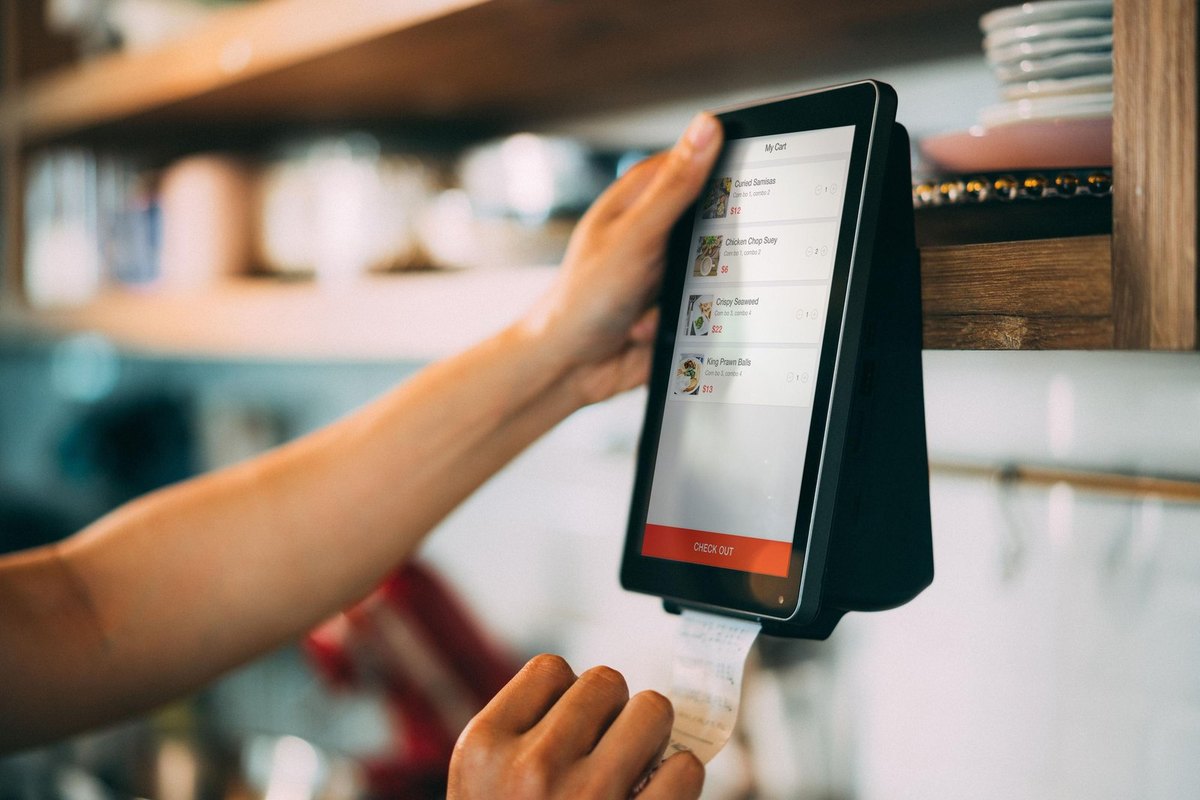
A POS system helps staff get orders right the first time. The system reduces manual errors by sending orders directly to the bar or kitchen. This direct communication cuts down on confusion and speeds up service.
Accurate orders mean bartenders spend less time fixing mistakes. They can serve more customers in less time. As a result, wait times drop and customers stay happy.
POS insights also reveal common error patterns. Bar managers can use this data to train staff better. They can spot which items get mixed up most often and address the problems.
Fewer order mistakes lead to fewer customer complaints. Happy customers are more likely to return and recommend the bar to others. The right POS system makes order accuracy simple and improves the entire customer experience.
Conclusion
POS insights give bar owners the tools they need to understand their customers better. These systems track sales patterns, identify popular items, and reveal customer preferences that might otherwise go unnoticed. Bar managers can use this data to make smart decisions about menu changes, promotions, and staff schedules.
The result is a better experience for guests and stronger profits for the business. Therefore, bars that use POS data effectively will stay ahead of their competition and build loyal customer relationships.